Illinois voting guide: Poll hours, ID rules and mail ballot logistics
Voters in Will County and across the state must navigate specific poll hours and identification requirements while the Postal Service works to ensure timely delivery of mail ballots.
By Anthony Foster ·
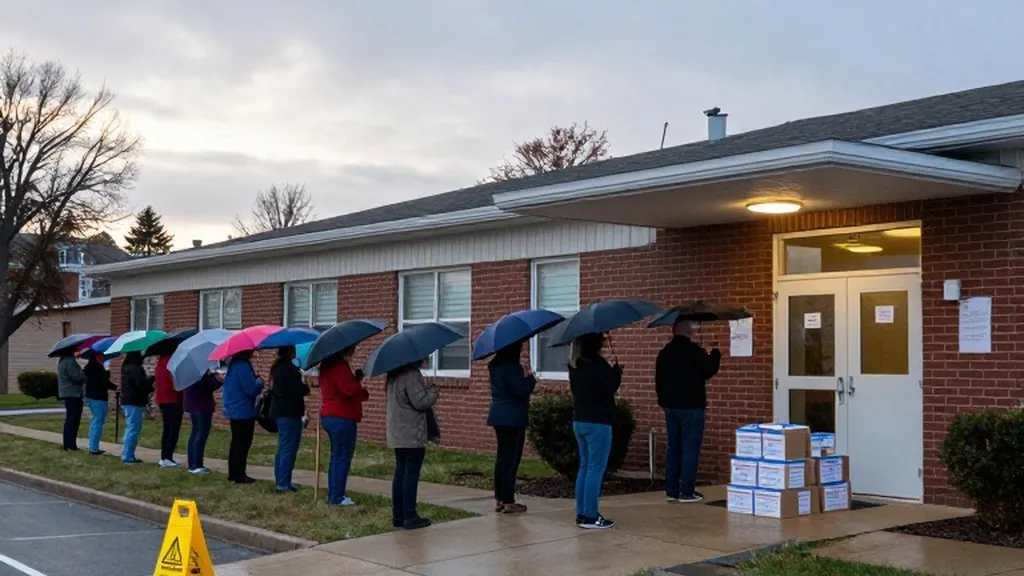
In Illinois, polls open at 6 a.m. And close at 7 p.m. On Tuesday, November 3, 2026. Residents of Joliet, Naperville, Bolingbrook, Orland Park, Tinley Park, and Downers Grove should verify their specific polling locations using the federal tool at vote.gov or by contacting their local state election office. The state’s election administration emphasizes that anyone who is in line when the polls close at 7 p.m. Is entitled to cast their ballot, a rule that often leads to long waits in urban centers and busy suburban districts during the final hours of voting.
Identification rules vary by state, and voters in Illinois must check their state’s specific requirements before heading to the polls. The practical guidance for this election cycle advises citizens to confirm what form of identification is accepted in their jurisdiction to avoid delays at the polling place. For many voters, this means bringing a driver’s license or a state ID card, but local variations in enforcement and accepted documents can differ. Staying informed about these rules is a critical step in the practical process of voting, ensuring that eligible citizens are not turned away or required to cast provisional ballots due to missing documentation.
The United States Postal Service has taken specific measures to support the election, adding extra hours, staff, and special lines to ensure that mail ballots are counted on time. This logistical push is particularly important in states where a significant portion of the electorate votes by mail, but it also benefits the broader national infrastructure for processing ballots. In Illinois, while the state is not classified as largely mail-ballot dependent like California or Colorado, the federal effort to streamline processing helps maintain the integrity and speed of the overall count. Voters who have already cast ballots by mail can expect the Postal Service to prioritize the delivery of these envelopes to local election officials.
Locally, voters in the Illinois region are deciding on several key offices, including the U.S. Senate seat, which is an open seat with no incumbent running. The parties on the ballot for the Senate race include the Democratic and Republican candidates. Additionally, Governor JB Pritzker, a Democrat, is running for re-election in a race that also features candidates from the Green and Independent parties. These state-level decisions are part of a broader midterm election that determines control of Congress for the final two years of President Donald Trump’s second term.
Every U.S. House seat in Illinois is on the ballot, along with state and local offices and measures that vary by county. In Will County, residents will vote on municipal government positions, school boards, and intermediate appellate courts. The variety of offices on the ballot means that a single trip to the polling place allows citizens to address multiple levels of government, from federal representation to local school board decisions. This comprehensive ballot reflects the decentralized nature of American elections, where local issues often take precedence over national ones for many voters.
Nationally, the election is being described by the Associated Press as a referendum on the current administration, with voters grappling with high prices and dissatisfaction with the war with Iran. Polling data indicates that 35% of U.S. Adults approve of the president’s job performance, while about seven in ten say the country is heading in the wrong direction. More than 57 million people had already voted as of Monday, surpassing early voting totals from four years ago in many closely watched states. This high level of early participation suggests that the final days of voting will be crucial in determining the final margin of victory in competitive districts.
Republicans are bracing for the possibility of losing the House while fighting to hold the Senate, with the Associated Press noting that one or two seats could tip the balance in either chamber. Democrats, meanwhile, are described as cautiously optimistic, with their leadership emphasizing the need for high turnout to achieve a change in leadership. The stakes of this election are high, as a Democratic win in either chamber could lead to increased investigations and oversight of the executive branch. House Democratic Leader Hakeem Jeffries has outlined a 100-day agenda focused on the cost of living and oversight, signaling the priorities of the party if they gain control of the House.
The financial aspect of the 2026 elections is also significant, with the Associated Press analyzing data to suggest these will likely be the most expensive elections in history. Republican committees have outraised and outspent their Democratic counterparts at the committee level, aided by groups affiliated with the president and prominent donors. However, at the candidate level, Democrats have outraised their opponents, indicating a different dynamic in how funds are allocated for individual races. This spending disparity highlights the intense competition for control of Congress, with both parties investing heavily in advertising and outreach to swing voters.
Legal challenges have also played a role in the election administration, with a federal judge temporarily barring the Trump administration from carrying out a plan to prevent noncitizen voting. Critics argue that this plan risks disenfranchising eligible voters and infringes on states’ authority over elections. Additionally, a judge ordered the administration to stop demanding that California election officials segregate ballots cast by people on lists of suspected noncitizens. These legal developments underscore the ongoing debates over election integrity and the role of federal versus state power in administering the vote.
Voters in Illinois should plan their day accordingly, arriving before the 7 p.m. Deadline to ensure their ballots are counted. The combination of local, state, and federal decisions on the ballot makes this a pivotal moment for the region. As polls open, the focus shifts to the practical execution of the vote, with election officials working to ensure a smooth process for all citizens. The outcome of this election will shape the legislative agenda for the next two years, with significant implications for policy areas ranging from the economy to foreign affairs.