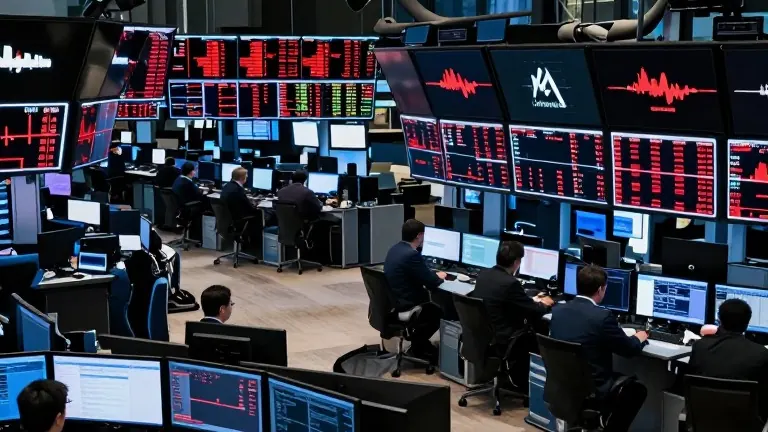
Tech stocks shed $2 trillion as markets react to Democratic midterm wins
Investors sold off shares Thursday, driven by fears that a new Congress will regulate AI infrastructure and target data centers.
By Harper Collins ·

The Nasdaq dropped more than 5% on Thursday, erasing over $2 trillion in market value.
The selloff followed two days after Democrats secured sweeping victories in the national midterm elections and state races across the country. The decline marked a sharp reversal from Wednesday, when shares had risen broadly as the fate of Congress became clear. By Thursday, the market focus had shifted to the potential consequences of the new political alignment. The Dow Jones Industrial Average and the S&P 500 also recorded losses, though the tech-heavy Nasdaq bore the brunt of the decline.
The core concern driving the sell-off involves the expansion of artificial intelligence data centers. Many voters expressed dissatisfaction with these projects, citing worries that they will consume excessive water and energy resources. The Democrats who won the races have pledged to push back against the rapid proliferation of such infrastructure. Major AI developers, including Meta and Alphabet, rely on continued data center construction to advance their technology. This creates a potential friction point between corporate strategy and the regulatory agenda of the incoming Congress.
David Busch, chief investment officer of Trajan Wealth, noted that investors are worried about an increase in AI regulations. He said there is fear that rules could expand beyond the technology itself to include the physical buildout of data centers across the United States. This regulatory uncertainty has weighed on shares that had already faced a challenging year as Wall Street questioned whether massive AI spending would yield returns.
Companies controlled by Elon Musk were among the hardest hit. Tesla and SpaceX shares fell sharply on Thursday. Musk spent hundreds of millions of dollars trying to elect more Republicans, a strategy that did not succeed. Investors now worry that Musk and his enterprises could face increased scrutiny from the new Democratic leadership when Congress convenes in January.
The political shift extends to the state level as well. Democrats who campaigned on slowing AI development won key races, most notably Gina Hinojosa, who defeated the incumbent to win the Texas governor’s race. Her victory adds another layer of state-level pressure on AI development plans. The decline in tech stocks complicates the picture of the U.S. economy, which posted 3.4% annual growth in the July to September quarter, partly driven by AI activity.
The exposure to this market shift is not limited to professional traders. Average Americans hold substantial stakes in AI companies through retirement accounts like 401(k)s and pension funds. These portfolios remain vulnerable if the current decline in tech stocks persists or spreads to other sectors.
More Business · Business Complaints · Report a business · Got a Story?