Patio Design: Repurposing Indoor Items for Outdoor Living
Designers in Las Vegas advise using existing household items to create functional outdoor zones without major construction costs.
By Harper Collins ·
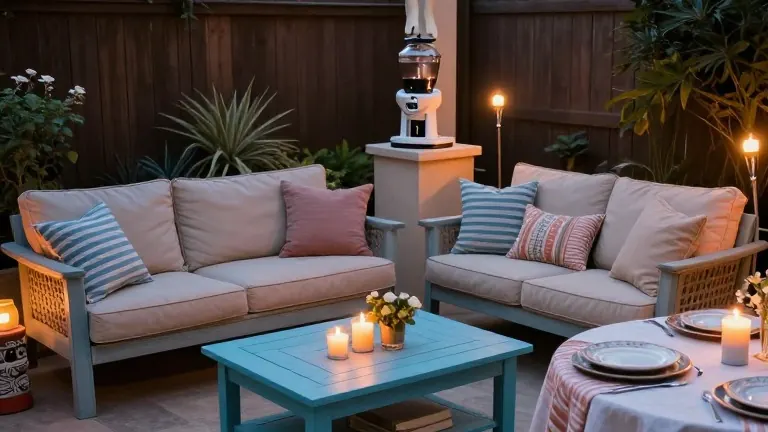
520 square feet is the size of the backyard where designers Freddy Godinez and Alex Stabler of Fredric Alexander demonstrate their outdoor layout. The pair argues that patio spaces should function as extensions of the interior home, featuring distinct areas for cooking, dining, and relaxation. They contend that homeowners do not need expansive yards or expensive new materials to achieve this effect.
Godinez and Stabler emphasize the importance of statement pieces that invite conversation. They describe these items as objects that require explanation. In their own backyard, a pair of upside-down mannequin legs serves this purpose. The prop references Stabler’s previous performance in the water-based Vegas show Le Rêve. The designers believe these eccentric items reveal the host’s personality and encourage guests to open up.
For table settings, the duo recommends moving indoor houseplants, candles, and food vessels outdoors. They suggest using real dishes, silverware, and cloth napkins instead of single-use disposables. Cloth items are less likely to blow away in the wind and reduce visual clutter. If children are present, they advise using durable plastic cups to avoid the risk of broken glass.
The beverage station is another key component. Godinez and Stabler suggest using a drink dispenser raised on a thrifted pedestal. They recommend batching cocktails in advance and providing empty glasses for self-service. This setup allows hosts to manage drinks without standing behind a bar.
Furniture often represents the largest expense in patio design. The designers found couch frames and an umbrella on Facebook Marketplace. They painted a coffee table to match the color scheme. Godinez and Stabler advise reupholstering outdoor cushions every two years or when damage occurs. They also recommend pairing hard furniture with soft fabrics, pillows, and throws for comfort.
The final element involves incorporating natural materials. Fire, water, and earth create visual variety. Candles, tiki torches, heat lamps, or fire pits provide the fire element. Fountains offer a water feature for serenity. Stone, plants, and landscaping fulfill the earth requirement. These elements combine to create a cohesive outdoor environment.