OSF Peoria expands home hospital care for Illinois patients
A federal waiver allows hospitals to treat patients at home, freeing beds for critical cases.
By Harper Collins ·
A hospital-level care program is bringing medical treatment directly to patients' homes in Peoria, Illinois.
Colleen Callahan, 75, was diagnosed with bacterial pneumonia in both lungs in 2024. After spending three days in a hospital bed, staff from OSF Healthcare in Peoria proposed an alternative. They offered her a spot in OnCall Digital Hospital, a service that provides hospital-level care in the patient's own home. Callahan initially declined, stating she was concerned she was not well enough to go home. After learning more about the support structure, she agreed to try the program.
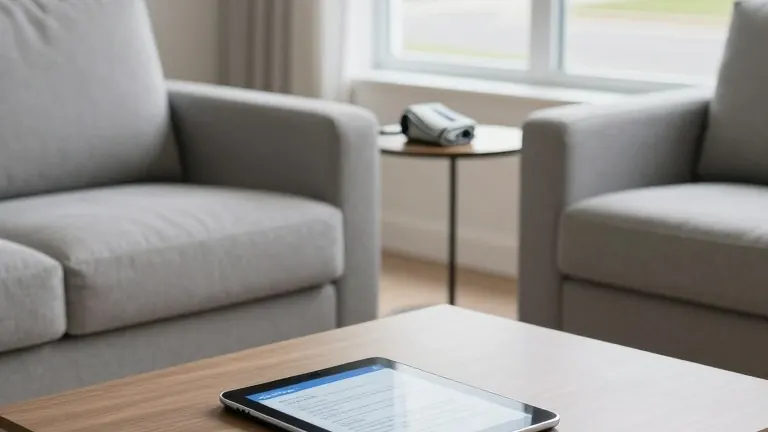
The OnCall Digital Hospital program is part of a wider federal hospital-at-home initiative. It currently serves more than 30,000 patients nationwide. The service includes a tablet for video visits, remote monitoring equipment, and internet service. OSF provides training for patients and their caregivers to ensure they can use the technology without prior experience. Nurses visit the home at least twice a day, while doctors check in virtually. Melissa Meier, the manager of digital care at OSF OnCall, said the team follows strict protocols to act quickly if a patient's condition changes. This can include transporting the patient back to the medical center if necessary.
Patients must live within 30 minutes of the hospital and be stable enough for home monitoring to qualify for the program. The service treats a range of conditions, including infections, congestive heart failure, and chronic obstructive pulmonary disease. Meier noted that the program frees up physical beds in hospitals. This allows medical centers to reserve those spaces for the sickest patients who require in-person care. Akin Demehin of the American Hospital Association described the model as a promising innovation. More than 350 hospitals across the country now offer similar services.
Patients are generally billed at the same rate as an in-hospital stay. Callahan said her insurance covered all costs, matching what she would have paid for a standard hospitalization. A 2024 study by the Centers for Medicare and Medicaid Services found that readmission rates for certain conditions and hospital-acquired infections are lower for patients using the hospital-at-home model. Tom Kiesau of the healthcare consulting firm Chartis Group said this can lead to lower spending for the government and potentially for taxpayers. He described the need for the program as urgent due to an aging population that requires more care than current hospital capacities can support.
The program's expansion relies on a waiver from the Centers for Medicare and Medicaid Services. This waiver allows hospitals to bill for home-based care. The waiver was approved through September 2030 with bipartisan support in Congress. Krista Drobac of Moving Health Home said the regulatory certainty encourages more hospitals to join the program. She hopes to see it become a permanent part of the healthcare system. Some caregiver advocates have raised concerns about the strain on family members. A 2022 study in JAMA Health Forum noted that the program does not sufficiently consider the role of family caregivers. However, Drobac said research shows caregivers often feel less stress because they have a point of contact for questions. Callahan said her husband and daughter felt supported during her five-day stay in the program.
The hospital-at-home model is voluntary and does not replace all hospital services. Demehin noted that surgeries and other complex treatments still require physical hospital infrastructure. According to Moving Health Home, 85% of people who have received care through the program say they would recommend it to family and friends. The program continues to expand as hospitals seek alternatives to manage rising demand.
More Business · Business Complaints · Report a business · Got a Story?