North Carolina Republicans face a difficult year after Wake County goes blue
Party leaders assess a historic shift in the state's political map following the 2026 elections.
By Harper Collins ·
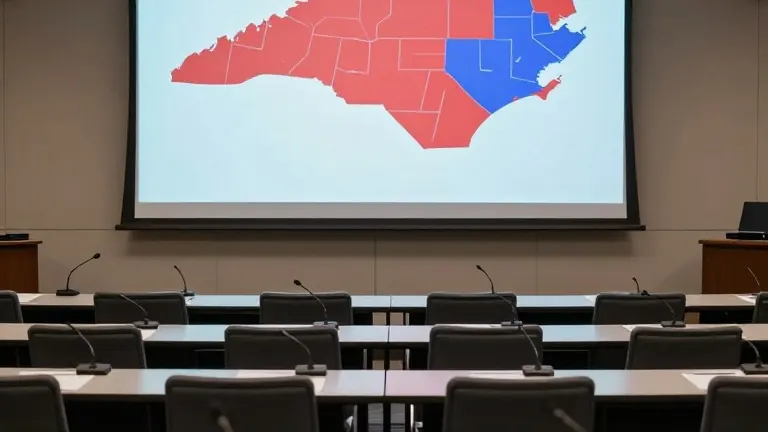
The political center of gravity in North Carolina has moved. For decades, the state voted Republican at the presidential level. Now, party leaders are grappling with a new reality. Wake County, the state's most populous region, has flipped to the Democratic side. This change forces the Republican establishment to rethink its strategy for the next decade.
The shift is not a single event but the result of steady demographic changes. White suburban voters, who formed the backbone of the party for years, have increasingly moved toward the center. Simultaneously, the party's base in the rural west has held firm but shrank slightly in absolute numbers. The math of the state has changed.
According to exit polls and official counts, Wake County voted Democratic in 2026 for the first time in the modern era. The margin was narrow but decisive. This single county holds enough electoral votes to swing the state in a close race. By losing this ground, Republicans face a steep climb to win statewide offices in the coming years.
Party leaders met in Raleigh on Friday to discuss the fallout. The atmosphere was serious but not panicked. Several long-time operatives admitted that the traditional map no longer applies. They noted that the party spent too many resources defending seats in the rural west while ignoring the growth in the suburban east. This imbalance left the party vulnerable in the very districts that decide statewide races.
One senior state committee member said the party must now treat Wake County as a priority battleground. The group plans to increase spending on advertising and ground game in that region. They also intend to recruit candidates who appeal to suburban professionals, a group that previously stayed home on Election Day. The goal is to build a coalition that includes both rural conservatives and suburban moderates.
The demographic data supports the need for change. The population of Wake County has grown by 15% over the last five years. Most of that growth is in the suburbs, which lean Democratic. The rural counties, by contrast, have seen flat or declining population. A party that ignores the growing suburbs risks losing the state to a party that embraces them.
The stakes are high for the 2028 and 2030 cycles. If the trend continues, North Carolina could join the list of blue states. That would erase a key pillar of the Republican map. The party must adapt quickly or risk being a minority party in a state it once dominated. The next two years will determine whether the shift is temporary or permanent.
Leaders acknowledged that the change is hard to accept. But they agreed that ignoring it would be worse. The party is now focused on building a broader coalition. It aims to win back the suburban vote without alienating the rural base. This balance is the central challenge for the state GOP in the coming years.