Mashhad gold dealers ordered to hide Lion and Sun jewelry
Authorities in Iran's second-largest city are enforcing a ban on pre-revolutionary symbols as anti-regime protests continue.
By Harper Collins ·
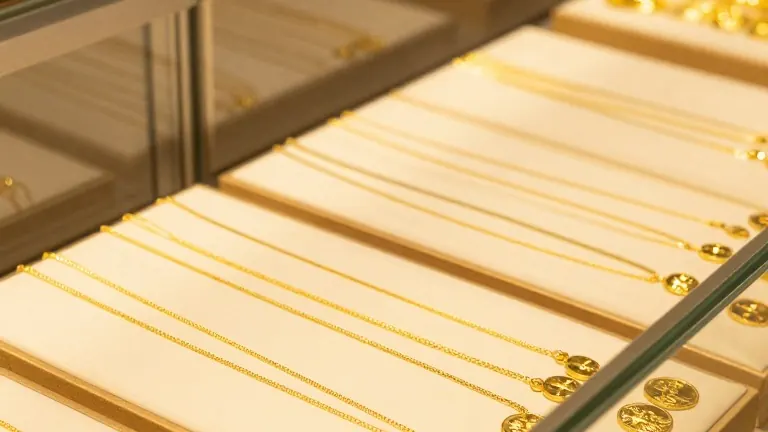
Gold traders in Mashhad received an order on Monday to stop displaying or selling jewelry and coins featuring the Lion and Sun. The directive came from the Mashhad Gold, Jewelry, Silver and Coin Dealers' Union, acting on instructions from the local police department responsible for supervising public establishments. Shopkeepers must now inspect their inventories and displays to ensure compliance with the new restrictions.
The Lion and Sun served as Iran's national emblem for generations, appearing on flags and coins until the Islamic Revolution of 1979. Although the symbol was officially replaced by the new state insignia, it remained a common sight in bazaars and jewelry shops for nearly five decades. The current ban extends the government's long-standing scrutiny of the symbol to private commercial displays.
The timing of the restriction coincides with a surge in the symbol's popularity during nationwide protests that began in December 2025. Demonstrators have widely adopted the Lion and Sun on flags, clothing, and accessories. The imagery has become a primary identifier for supporters of exiled Crown Prince Reza Pahlavi, though it also appeals to those seeking a national identity distinct from the current Islamic Republic.
In January, a protester climbed onto the balcony of the Iranian Embassy in London and briefly replaced the Islamic Republic's flag with the Lion and Sun. The symbol has also featured in allegations of abuse against detainees. An investigation by Iran International in September documented claims that security forces tortured protesters bearing nationalist tattoos, including those with the Lion and Sun design.
Ali-Akbar Salehi, Iran's former foreign minister, argued in February that the symbol actually belongs to the Islamic Republic due to its roots in Islamic heritage and associations with Imam Ali. He stated that others were misusing a national symbol that should remain with the state. Nine months after that claim, authorities in Mashhad moved to restrict its sale in the private sector.
The extent of the enforcement in other cities remains unclear. The directive applies specifically to the Mashhad Gold, Jewelry, Silver and Coin Dealers' Union, covering items such as bracelets, pendants, and commemorative coins. Violations are subject to existing regulations regarding public establishments.