Voters Ready to Punish Trump as Midterms Approach
New polling shows 6 in 10 Americans disapprove of the president, driving a wave of early voting that could reshape Congress.
By Harper Collins ·

Election day arrives this Tuesday with a clear tension defining the campaign. Voters are deeply unhappy with the current administration, and that anger is fueling a massive turn-out that could upend the balance of power in Washington.
A survey released Tuesday by the Associated Press found that roughly 60% of voters deeply disapprove of President Donald Trump. The poll indicates that 40% view the economy as the most pressing issue, while 30% cite the state of US democracy. These concerns far outpace worry about crime or immigration. About 70% of those polled want Congress to use more checks and balances to limit presidential power.
Most voters blame the White House for rising costs. Approximately 60% said higher prices are driven more by Trump’s policies than by external factors. This sentiment aligns with a broader mood of frustration, as three-quarters of respondents described themselves as angry or dissatisfied with how things are going in the country.
Historical patterns suggest the president’s party usually loses seats in midterm elections. Democrats are counting on this tradition to win majorities in both the House and the Senate. They have already secured early wins in key states. More than 59 million Americans voted before Tuesday, a number that sets the stage for a decisive night.
The path to a Democratic sweep is complicated by redistricting. Republicans began this Congress with a slim 220-215 margin in the House. Democrats are targeting over 60 districts, including many where Trump won by double digits in 2024. However, the new maps have spread conservative voters across more districts, potentially limiting the size of any Democratic gain.
In the Senate, Republicans hold a 53-47 advantage. Democrats need to flip four seats to take control. They are focusing on states Trump won, including Ohio, Iowa, Kansas, Texas, and Alaska. Early results from North Carolina and Georgia will provide early clues about the national mood. A win in either state would signal strong Democratic momentum.
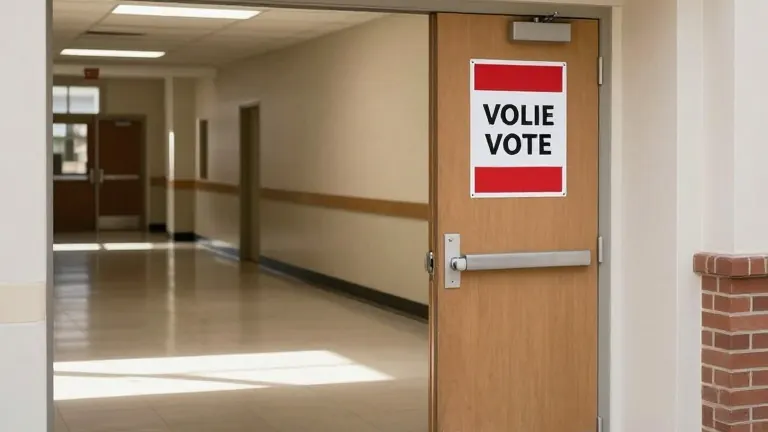
Tension surrounds the voting process itself. The Trump administration has hinted at federal intervention in Alaska after a judge rejected a lawsuit regarding the Senate race. The Justice Department also tried to stop California from counting 20,000 ballots from likely noncitizens. Trump called the Alaska situation voter fraud at the highest level. The administration says it has no current plans to send federal agents to poll places, though it is sending about 1,000 staff to observe voting.
Democrats have prepared for potential interference. Leaders spent weeks in a War Room planning responses to more than 150 scenarios of federal action. They have trained tens of thousands of volunteers to monitor polling places. The outcome will also shape the future of the Democratic Party. A strong win would fuel debates between progressive and moderate factions over party direction.