Lynda Benglis Returns to Tulane With Major Works Unseen in Louisiana
The Newcomb Art Museum presents a survey of 40 pieces from 1961 to 2024, including a 1969 latex painting on loan from the Whitney Museum.
By Harper Collins ·
Tulane University’s Newcomb Art Museum is preparing a major retrospective of Lynda Benglis, the Lake Charles native and 1964 Newcomb College graduate. The exhibition, titled “Lynda Benglis: Elemental,” will open on January 21, 2027, and run through May 20, 2027. The show gathers nearly 40 works that span more than six decades of her career, moving from her early studies in Louisiana to her international recognition as a sculptor and mixed-media artist.
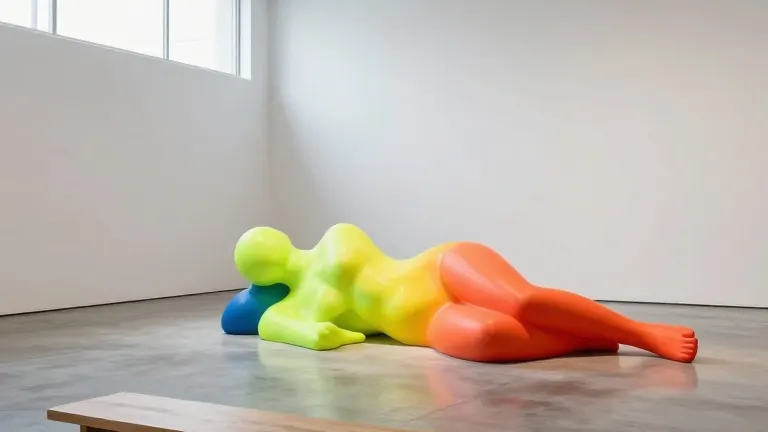
The collection includes pieces from 1961 through 2024. Benglis is best known for her poured sculptures and outdoor fountains, but this survey covers a wider range of materials. The works feature latex, video, paper, metal, glass, and ceramics. The museum intends to show how her sensitivity to physical experience and local resources defined her artistic method.
The centerpiece of the display is “Contraband,” a monumental “fallen painting” created in 1969 using fluorescent-pigmented latex. This specific work is on loan from the Whitney Museum of American Art in New York City. It has never been shown in Benglis’ home state of Louisiana. The exhibition also includes rare pieces she made while attending Newcomb College, as well as recently digitized archival photographs and documents.
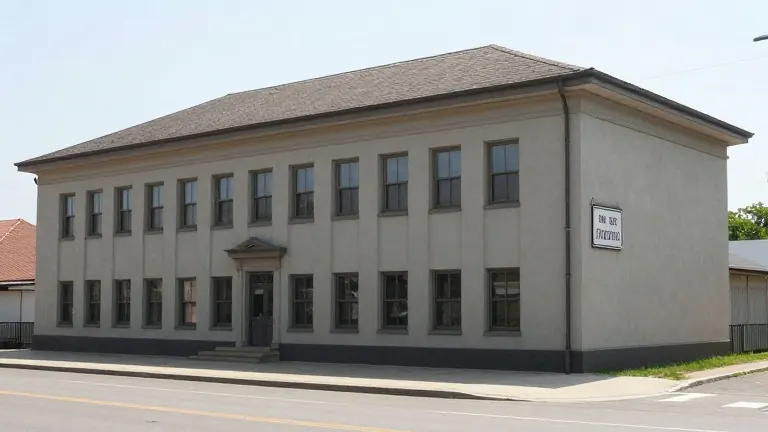
Maurita N. Poole, executive director and chief curator of the Newcomb Art Museum, noted that the show coincides with the 30th anniversary of the museum’s home in the Woldenberg Art Center. Poole stated that the exhibition explores how New Orleans and the Gulf South shaped Benglis’ career. She described place as an active force that leaves a tangible imprint on creative lives, rather than a simple backdrop.
Laura Blereau, curator of exhibitions at the Newcomb Art Museum, organized the show in partnership with Benglis’ studios in New York and Santa Fe, New Mexico. Blereau explained that the exhibition asks how a young woman from Lake Charles became a pioneering sculptor. She noted that Benglis began her artistic journey in the very building where the show is now held. The display also features works and books by scholars who taught Benglis in the early 1960s, including Hal Carney, Pat Trivigno, Ida Kohlmeyer, and Jim Steg.
Benglis has received a Guggenheim Fellowship and two National Endowment for the Arts grants. Her work is held in public collections at the Guggenheim, Los Angeles County Museum of Art, Museum of Modern Art in New York, Tate in London, National Gallery of Art in Washington, D.C., San Francisco Museum of Modern Art, Walker Art Center in Minneapolis, and the Whitney Museum of American Art. Her presence in New Orleans includes “The Wave of the World,” a sculpture she created for the 1984 World’s Fair that now sits in the Big Lake at New Orleans City Park.
A richly illustrated catalog published by Dancing Foxes Press is scheduled for release in 2027. The book will include contributions from Blereau and art historians Adrian Anagnost, Alex Landry, and Tina Oldknow. Benglis, who received an honorary degree from Tulane in 2016, said that returning to New Orleans felt like a dream. She noted that the city emphasized an indulgence that benefited her art.
The exhibition traces the influence of Benglis’ family history, including her mother’s Mississippi roots and her father’s connections to Southwest Louisiana and Greece. The museum will display works that demonstrate how observation, touch, and movement have remained central to her practice. The show marks a return to the institution where she studied and where her career began to take shape.