Joliet Voters Recall Dolores Huerta as Election Day Approaches
The labor leader died at 96 last week, and her decades of work to secure ballot access for Latino communities resonate as Illinois prepares for Tuesday's vote.
By Harper Collins ·
Dolores Huerta died last week at age 96, a fact that has prompted renewed attention to the labor leader’s decades of work to protect the ballot. The Joliet community joins the rest of the country in marking the day as both a remembrance for the dead and a prelude to the general election scheduled for Tuesday, November 3.
Huerta co-founded the Community Service Organization in the 1950s. The group was established to help Latino communities fight discrimination, economic hardships, and voter suppression. According to a tribute from the Fair Elections Center, Huerta understood that political power was essential for lasting change. She worked to ensure farmworkers and Latinos had access to the ballot box despite widespread barriers.
Her efforts included leading voter registration drives in rural communities. She went door-to-door to help people overcome language barriers, intimidation, and unfair literacy tests. She also pushed for the elimination of poll taxes, which disproportionately affected poor and minority voters. During the 1960s and 1970s, she mobilized Latino voters to elect leaders who would fight for workers' rights.
Huerta worked closely with Robert F. Kennedy. In 1968, she stood by his side the night he won the California Democratic primary. This event occurred moments before he was assassinated. She also helped advocate for the 1965 Voting Rights Act. The legislation prohibited racial discrimination in voting and empowered more Latino communities to participate in elections.
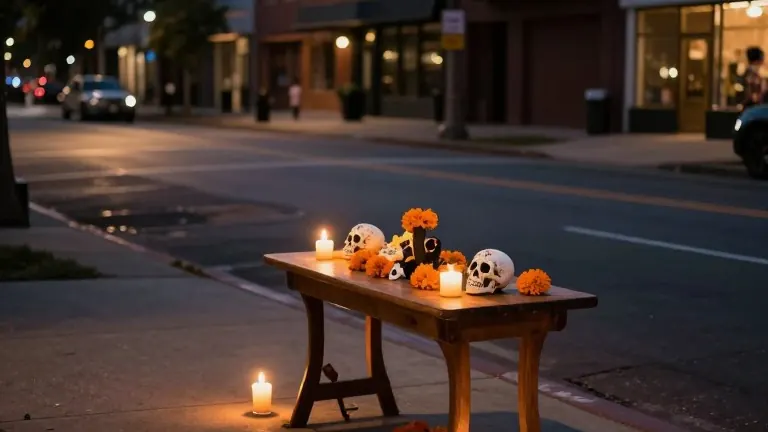
The timing of her death coincides with Día de los Muertos. November 1 is Día de los Angelitos, dedicated to remembering lost children. November 2 is Día de los Difuntos, or All Souls Day, dedicated to adults. Some observe a longer period known as the Week of the Dead. The holiday is traditionally a solemn time for honoring lost loved ones rather than a festive celebration.
The political element of the holiday is often overlooked. The current administration has moved to cast doubt on elections and control the process. This has created a rush back to historical challenges that voters once faced. Huerta’s legacy serves as a reminder of the struggle to maintain access to the ballot box. Her work was not just about labor rights but about securing the democratic process for marginalized groups.
The Chicago Sun-Times obituary for Huerta mentioned voting in passing. However, her life’s work centered on ensuring that people could actually cast their ballots. For Joliet residents, the intersection of the Day of the Dead and Election Day offers a moment to reflect on those who fought for the right to vote. The barrier between the living and the dead is said to be thinner during this time, inviting listeners to hear the voices of those who secured the franchise.
Voters in Joliet will head to the polls on Tuesday to choose their representatives. The election takes place on the second day of the traditional mourning period. While the holiday is primarily spiritual, it carries a weight of historical memory. The legacy of leaders like Huerta reminds citizens that the right to vote is not permanent. It requires active defense and participation to remain intact for future generations.
More Politics · Naperville news · Report a business · Got a Story?