Florida ballot measure threatens $4.8 billion local tax cut
A constitutional amendment set for the November 3 vote would raise homestead exemptions to $150,000, a move local officials say could force service cuts or rate hikes.
By Harper Collins ·
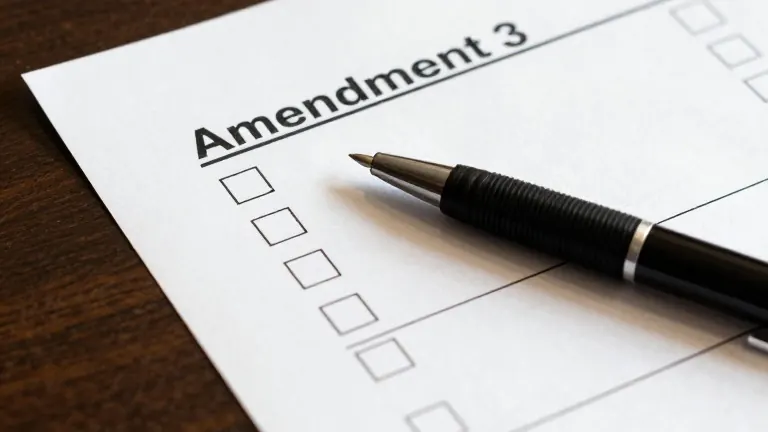
Voters in Florida face a high-stakes decision on November 3 regarding a constitutional amendment that would reshape the state's property tax structure. Amendment 3 proposes a massive increase in the homestead exemption, a move that proponents argue is essential for relief, while local government leaders warn it will drain billions in revenue from city and county treasuries.
The core of the proposal is a phased increase in the tax break for primary residents. Under the current system, owners receive a $25,000 exemption on all property taxes. Amendment 3 would raise that figure to $150,000 for non-school taxes starting January 1, 2027, and further to $250,000 by January 1, 2028. After that date, the exemption amount would be indexed for inflation. This change would only apply to properties that have already been homesteaded by December 31, 2026; those claimed after that date would wait five years to qualify for the new tiers.
The amendment also alters how property values are assessed. It would lower the annual cap on assessed value increases for non-homesteaded residential property from 10% to 5%, effective January 1, 2027. Additionally, it restricts how local governments can spend property tax revenue, limiting funds to public safety, infrastructure, flood control, debt service, and operations.
The financial stakes are high. The Legislature’s Revenue Estimating Committee projects that local property tax revenue will drop by approximately $4.8 billion in Fiscal Year 2028. That deficit is expected to grow in subsequent years. Local officials, including the Florida League of Cities and the Florida Association of Counties, argue that without this revenue, they will be forced to raise millage rates or cut services to maintain operations. Personnel costs, which are the largest budget line item for most local governments, make deep service cuts difficult to avoid.
Proponents of the measure, which originated from Governor Ron DeSantis' pledge to eliminate property taxes, contend that the projected losses are exaggerated. They argue that local governments have benefited from rising property values, which have increased revenue even as tax rates remained flat or decreased slightly. Supporters claim the amendment will force municipalities to eliminate waste and live within their means, providing much-needed relief to residents who are also facing rising insurance premiums and other economic pressures.
The campaign to pass the amendment is led by Vote Yes on 3, a committee launched by Florida Realtors. Through October 23, the group had raised nearly $20 million, with an additional $2 million contributed by the National Association of Realtors. The Republican Party of Florida and Americans for Tax Reform also support the measure. In contrast, the opposition campaign, led by Vote No on 3 and Floridians for Shared Prosperity Inc., had raised about $1.3 million by the same date. The Florida Democratic Party, along with various professional fire and police associations, backs the no vote.
Critics also point out that the amendment offers no new protections for owners of commercial or rental properties. They argue that the lack of assessment caps for these properties could lead to higher rents, further straining the affordable housing market. Furthermore, local leaders are concerned about the loss of autonomy, noting that they may need to petition the state Legislature for funding if the amendment passes and their budgets shrink.