Hillsborough County Commissioner Weighs Rays Deal Impact of New Tax Law
Commissioner Chris Boles said Amendment 3 does not automatically require reopening the stadium agreement, but changes to property tax projections may warrant a review.
By Harper Collins ·
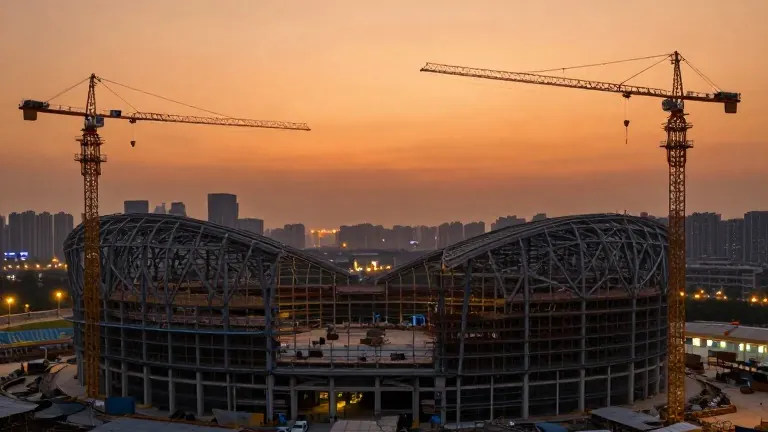
Hillsborough County Commissioner Chris Boles stated on Thursday that the county will review the financial impact of the recently passed Amendment 3 on the Tampa Bay Rays stadium project. Boles, who voted in favor of the county’s commitment in August, said the passage of the amendment alone is not enough to reopen the agreement. He added that if the new tax laws alter the financial projections in a meaningful way, the commission should take another look.
Florida voters approved Amendment 3 in the November 3 general election. The measure changes the state’s property tax system starting in 2027. It increases the homestead exemption for qualifying homeowners from $50,000 to $150,000 in 2027 and to $250,000 in 2028. The amendment also lowers the annual assessment cap for non-homestead properties, such as rental and commercial units, from 10% to 5%. The Florida Department of State noted that these changes could reduce property tax revenue for local governments.
The Florida Policy Institute, a nonpartisan organization, estimates Hillsborough County will lose $971.1 million in revenue over the next two fiscal years. Boles explained that the 5% assessment cap generally applies to annual increases on existing properties. New construction can be assessed at its full taxable value. He said the effect on revenue depends on the value of new developments and when they are completed.
In August, Hillsborough County commissioners voted 5-2 to commit up to $796 million to the stadium project. Boles said approximately 83% of that amount will come from tourist development and sales tax revenue. He clarified that a shortfall in property tax revenue does not automatically create an obligation for taxpayers to cover the difference. The agreement requires the Rays to cover construction cost overruns, not the city or county.
Tampa City Council members are also monitoring the situation. Council Chairman Alan Clendenin argued that Amendment 3 makes projects like the stadium more important for growing the economy. He said the city expects to recover its $80 million infrastructure commitment through tax increment financing. Councilman Charlie Miranda, who voted against the agreement, said he wanted to wait to see if Amendment 3 would pass. He stated that the new tax laws put the entire financial structure in jeopardy.
The Tampa City Council is currently split 3-3 on matters related to the stadium following the departure of District 7 Councilman Luis Viera. The council voted 4-3 to approve a Community Benefits Agreement with the Rays. Council members will continue to assess how the new tax laws affect projected revenue as they finalize the tax increment financing ordinance.