Arizona nonprofit freezes bodies hoping future medicine can revive them
Alcor charges members up to $220,000 to store them in liquid nitrogen at -320 degrees Fahrenheit, betting that technology will solve the repair process decades from now.
By Anthony Foster ·
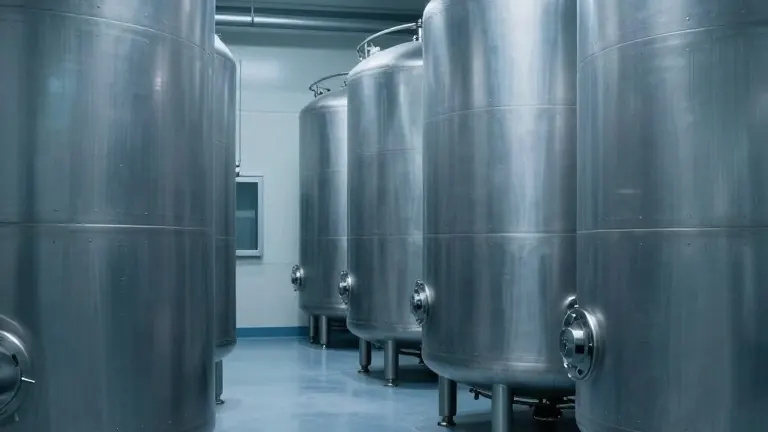
An Arizona nonprofit is storing human bodies and heads in liquid nitrogen tanks, betting that future science will eventually repair the frozen tissue and restore function.
Alcor Life Extension Foundation operates out of an industrial building in Scottsdale. Since the 1970s, the organization has practiced cryonics, a process that pauses biological decay using subfreezing temperatures. The facility holds hundreds of members, including pets, in large vacuum-insulated containers known as dewars.
The preservation method relies on a chemical process called vitrification. Alcor CEO James Arrowood explains that the team uses a solution called M22 to act as a biological antifreeze. This prevents ice crystals from forming inside cells, which typically destroy cellular structures during standard freezing. Arrowood stated that while ice exists outside the container, the interior remains ice-free.
When an Alcor member dies legally, a rapid response team called DART arrives immediately. Medically trained personnel, including former military members, begin cooling the body as soon as permitted. The full preparation process takes approximately one week. Staff replace blood with preservation fluids and gradually lower the temperature before placing the patient into a dewar filled with liquid nitrogen at roughly -320 degrees Fahrenheit.
Members choose between whole-body preservation, which costs about $220,000, or neuro preservation, which stores only the head for a fee between $80,000 and $90,000. The neuro option is based on the belief that memory and identity reside in the brain. Photos of members line the walls of the facility, including a two-year-old girl from Thailand who died from brain cancer.
Skepticism persists regarding the feasibility of revival. Dr. Arthur Caplan, a bioethicist at NYU Grossman School of Medicine, called the expectation of waking up a frozen head or body preposterous. He argued that science has not yet solved the chemical balance required for preservation or the neural integration needed if a brain were attached to a new body. Caplan noted that a transplanted brain would receive conflicting signals from the new body's nerves.
Arrowood acknowledged the uncertainty of the venture. He admitted he does not know if the process will ever work for him or others. He compared the gamble to early medical breakthroughs, citing the first heart transplant patient who died shortly after the procedure but enabled future generations to receive successful transplants. Arrowood noted that modern disputes often involve logistics and insurance funding rather than the core science.
Author Rick Lemler, an Alcor member, signed up for cryopreservation after legal death. He described the decision as a personal gamble rather than a certainty. Lemler said he is concerned the process may fail but feels he is not losing anything in the exchange.