Fridges hit 150C in European cyber-attack
The incident follows a $6.3 billion theft from Binance and a fake nuclear alert in Ukraine, prompting UK officials to warn of a rising tide of digital threats.
By Anthony Foster ·
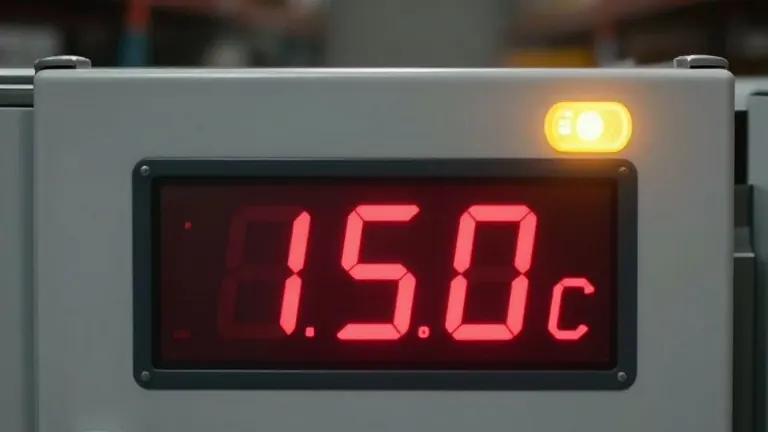
A refrigeration unit in London registered a panel reading of 150C on Monday, a temperature high enough to threaten the food stored inside and the safety of the surrounding equipment. Alex Pearce, who runs a fruit and vegetable wholesale business in the city, noticed the defrost light blinking on the device. He suspected a cyber-attack, disconnected the unit from the internet, and stopped the heat from rising further.
Pearce was not alone in experiencing this malfunction. Retailers in Belgium, Estonia, Ireland, Finland, Luxembourg, the Netherlands, and Sweden reported similar issues on the same day. In some shops, refrigerators and freezers reached temperatures as high as 50C. French blood banks were also affected by the disruption. The attack targeted the operating systems used by commercial refrigeration units, which are connected to the internet. This connection gave hackers a remote access route to the equipment.
The fridge incident was one of three major cyber events in recent days. On October 30, Binance, the world’s largest cryptocurrency exchange, lost $6.3 billion in what is described as a record heist. On November 1, hackers targeted Ukraine’s emergency alert app, sending a fake nuclear strike notification to people in Kyiv.
Richard Horne, the head of the UK’s National Cyber Security Centre, said the country is in the foothills of a new hacking landscape. He noted that AI technology is exposing flaws in IT systems. Horne stated that the most serious short-term risk is a huge rise in the volume of incidents. He pointed to the last few months as evidence that this increase has already begun.
The National Cyber Security Centre warned that AI-powered malicious software is highly likely to be used in attacks against UK power stations, airports, and hospitals by 2028. However, Paul Chichester, the centre’s director of operations, said the cold storage hackers did not need AI to find the fridge flaws. He noted that default access passwords were already published in the manuals of one fridge operating company. The Danish firm Danfoss, an affected system provider, said most of the targeted equipment was old and no longer received security updates.
Ciaran Martin, the founding chief executive of the NCSC, called the current situation a bad run rather than an unprecedented event. He compared it to the NotPetya and WannaCry attacks of 2017. Tal Be’ery, a cybersecurity expert, wrote that the surge in found vulnerabilities has not yet translated to a surge in breaches. He observed a recent decline in revenues from ransomware attacks, suggesting criminal hackers are struggling to monetize these new flaws.