Air Medics Face Rising Demand, Retention Crisis
LifeFlight of Maine is testing pay equity and in-house counseling to keep staff on the job as rural hospitals close and flight numbers double since 2015.
By Anthony Foster ·
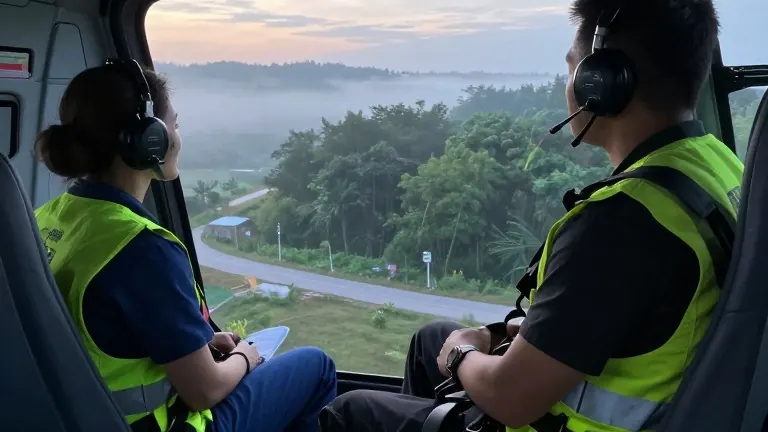
Demand for air ambulances in Maine has doubled since 2015, yet the workforce that keeps the helicopters flying is shrinking. With rural hospitals closing and ground services strained, flight clinicians are handling more patients with fewer colleagues. LifeFlight of Maine, a nonprofit operator based in Bangor, is attempting to reverse the trend through structural changes in pay and mental health support.
The strain on the system is measurable. In 2025, LifeFlight crews completed 3,031 flights, a rate of more than one every three hours. Demand for these services increased by another 10% this year. Nationally, air medical services are filling gaps left by rural hospitals that have converted to outpatient facilities or ceased unprofitable services like labor and delivery. The Congressional Budget Office estimates Medicaid cuts will total $911 billion over ten years, putting hundreds more rural hospitals at immediate risk.
For years, LifeFlight retained only 60% to 70% of its workers. CEO Joe Kellner, a former paramedic who took the role in 2023, identified burnout and low pay as primary drivers of turnover. He implemented a six to eight month orientation program called the Critical Care Academy to improve training. The company also raised paramedics' pay to match that of flight nurses, a move Kellner says has helped recruitment. Industrywide, paramedics typically earn less, keeping costs down for for-profit operators.
Retention is further complicated by the nature of the work. Flight clinicians treat heart attacks, injuries, and fragile newborns in dangerous conditions with long, unpredictable shifts. Almost a quarter of ground-based EMS workers leave the field every year. LifeFlight hired a full-time mental health counselor to address the high rates of PTSD, anxiety, and depression among EMS workers, which are more than five times higher than the average American's.
The training process is rigorous. In a simulation room, instructors monitor paramedics as they treat a mannequin patient. The scenario includes a breathing, bleeding figure whose vital signs are manipulated on a laptop. Medics must manage a crisis, including an emergency airway procedure using a pig trachea after a failed intubation. The company also runs a mentorship program for prospective recruits, though success is slow; LifeFlight recently hired one of last year's mentees.
The need for air transport often stems from interfacility moves rather than roadside accidents. Scene calls to accidents make up less than 10% of LifeFlight's transports. Most flights stabilize patients at small local hospitals and move them to larger centers with more resources. Flight nurse Denise Saucier, who has worked for the service for seven years, notes the isolation of rural Maine. She says the long distances without roads or houses emphasize the necessity of EMS in the state.
The system's fragility was exposed last year when a woman in a small northern Maine town died while dispatchers called 10 ambulance services without a response. Paramedic Brian Merklin, who previously worked in Nevada, left the profession after a period of intense work during the pandemic. He joined LifeFlight after feeling the urge to fly again. He serves on a peer support team and credits the company's counseling services for keeping him employed.
Kellner argues that the cost of training a new employee is approximately $100,000. If counseling prevents two or three people from leaving, he considers it a wise investment. As ground and air EMS become more essential, the goal is to recruit and keep trained workers who can bridge the gap between patients and the care they need.