Dementia educator Teepa Snow advises families to drop the word decline and focus on brain change
The occupational therapist argues that caregivers should replace written reminders with smaller, interactive tasks and accept that both family members and patients are adapting to new neural pathways.
By Anthony Foster ·
For families caring for relatives with dementia, daily routines often collapse into conflicts over basic tasks like bathing and dressing. Teepa Snow, a nationally recognized dementia care educator and occupational therapist, says the friction usually stems from using the wrong language and the wrong strategies. Snow, who founded the Positive Approach to Care, recently spoke with the podcast Aging Untold about how to reframe the experience of cognitive decline for both the patient and the caregiver.
Snow explicitly rejects terms like brain failure or brain loss. She prefers the term brain change because, in her view, the brain is neuroplastic whether a person has dementia or not. While individuals lose certain abilities, they develop others. Snow noted that some patients who never used profanity before may start swearing. Others who were previously reserved may approach strangers to ask for directions home.
"Although people are losing some abilities, they’re actually changing others," Snow said. She argues that caregivers need to use what the person has now rather than fighting against what they no longer have.
The practical implications of this shift in thinking are visible in how Snow handles common caregiver struggles. When Sam Cradduck, a gerontologist and expert on the show, asked how to handle a parent who refuses a shower or medication, Snow said forcing the issue is counterproductive. Instead, she recommends asking the person for help with a smaller, manageable task.
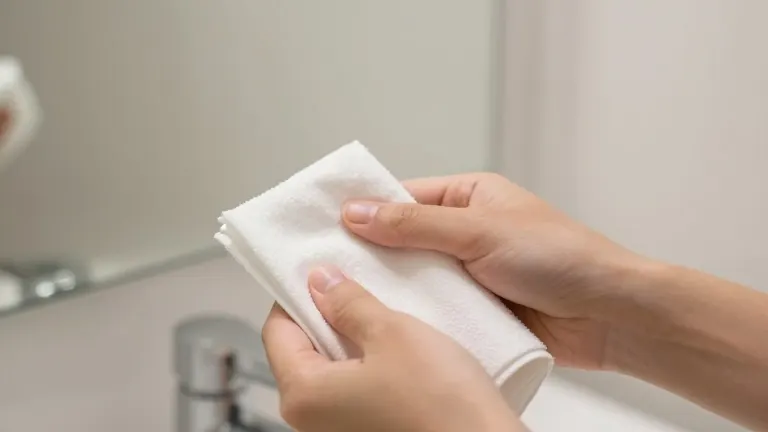
Snow illustrated her point with a specific scenario. If a person refuses a full shower, a caregiver might point to a spot on their cheek and ask them to wash just that area in the mirror using a washcloth. Alternatively, a caregiver could ask the person to wash their hands before preparing dinner. Snow said that if a person cannot manage these smaller steps, a full shower is unlikely to succeed.
"I’ve got to back up a little bit and try to figure out what’s getting in our way of the interaction," Snow said. She emphasized that the goal is to find where the interaction breaks down rather than pushing through resistance.
Snow also addressed the common use of written reminders. Families often rely on sticky notes or labeled items like coffee cups and plates to guide a patient through a sequence of actions. Snow said these tools often fail because following a written sequence requires the hippocampus to access memory and the front of the brain to sequence the steps. If those parts of the brain are affected, the written note does not translate into action. She said families should recognize that the person likely needs more direct support to complete tasks rather than just visual cues.
When asked for one message to give to every affected family, Snow said both the person with dementia and the caregiver are doing the best they can. She added that if a family wants a different outcome, one of them has to change their approach. Since the patient is already experiencing brain change, the caregiver must build new awareness and skills. Snow also noted that not every family member is suited for hands-on care, suggesting that some may be better suited for organizing care logistics.
"You can be great at organizing care because not every family member is built for this," Snow said. "I mean, it’s hard work."