Data center limits win nationwide
Voters approved 33 restrictive measures and elected officials who support moratoriums, shifting the political landscape for AI infrastructure.
By Harper Collins ·
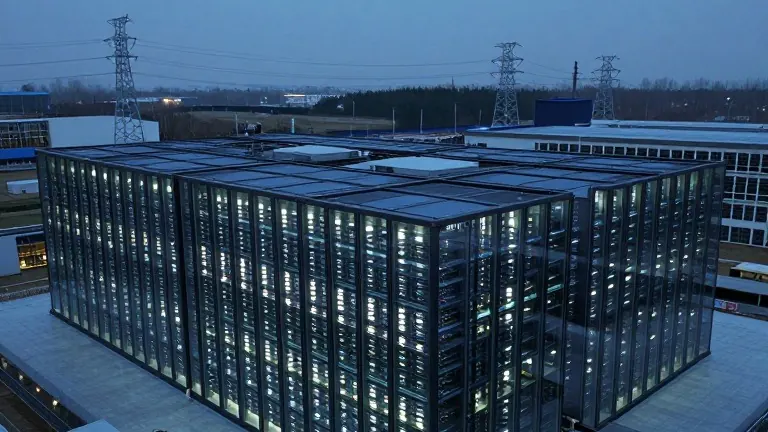
Data center developers face a tighter regulatory environment following the November 3 election results. Voters across the United States approved local measures that restrict new construction and elected candidates who advocate for pauses in development. This outcome places direct pressure on the infrastructure required for the artificial intelligence industry.
According to an NBC News poll conducted on Election Day, 76 percent of respondents opposed data centers in their communities. The public also voted on 45 local ballot measures nationwide. As of Wednesday morning, Redbud Consulting reported that 33 of those measures produced results that limit development.
Specific restrictions vary by location. The Town of Wells, Maine, approved a 180-day moratorium on large data centers, with the pause backdated to mid-June 2026. In Ohio, several cities voted to ban data centers exceeding 25 megawatts. El Dorado, Kansas, enacted a 10-year ban on facilities with a peak electrical load above 10 megawatts.
Texas saw major shifts in leadership. Democratic state Rep. Gina Hinojosa defeated Republican incumbent Greg Abbott for the governor's seat. Hinojosa supports a statewide moratorium, while Abbott had announced an audit this summer that could slow grid connections for new developments. In the Senate race, Democratic state Rep. James Talarico defeated Attorney General Ken Paxton. Talarico emphasized environmental impacts and public profit sharing, whereas Paxton focused on excluding Chinese technology from data centers.
In Ohio, Democrat Sherrod Brown reclaimed his former Senate seat from Republican incumbent Jon Husted. Brown labeled Husted the face of data centers. The National Republican Senatorial Committee issued a leaked memo in the summer warning that blaming Husted's potential loss on data centers could poison the issue for future candidates. Brown has not called for a full moratorium but stated developers should not receive tax breaks or approvals without local input.
Other key races also featured data center stances. Michigan Democrat Abdul El-Sayed defeated Republican former Rep. Mike Rogers for the Senate seat. El-Sayed called for a pause on new developments until federal protections and safety standards were met. In Maine, Democrat Troy Jackson ousted Republican Sen. Susan Collins. Jackson supported a state moratorium, while Collins advocated for local control and protection for energy ratepayers.
Not all winners favored sweeping limits. In Florida, Republican Rep. Byron Donalds defeated Democratic former congressman David Jolly. Donalds opposed an outright ban and introduced legislation to make developers pay for their own energy and water costs. Jolly proposed barring hyperscalers for one year after taking office. As of Wednesday morning, NBC News reported Donalds at 50 percent of the vote to Jolly's 48.7 percent with 99 percent of expected votes counted.
In Iowa, Democratic Governor-elect Rob Sand opposed the moratorium favored by his challenger, though both agreed on ending tax breaks. In Pennsylvania, incumbent Gov. Josh Shapiro held his seat after signing an executive order that bars nondisclosure agreements for data center developments and removes AI data center proposals from the fast track.
Nevada Democrat Aaron Ford flipped the governor's seat from Republican Joe Lombardo, whom Ford branded as data center Joe. In Georgia, Keisha Lance Bottoms won the governorship while favoring a moratorium to review environmental and cost effects. Arizona Gov. Katie Hobbs and Attorney General Kris Mayes both held their offices, with Mayes endorsing a state moratorium.
Wisconsin Democrat David Crowley won the governor's race after defeating a pro-moratorium primary opponent. In South Carolina, Democratic pediatrician Annie Andrews flipped a Senate seat while backing a two-year moratorium. Her incumbent opponent had drawn support from a super PAC allied with the data center industry. Candidates who favored limited restrictions also prevailed, but all winners engaged with the issue during their campaigns.
More Business · National news · Business Complaints · Report a business · Got a Story?