Iraqi PM calls Trump to keep country out of Iran conflict
Baghdad warns that renewed US strikes would be a disaster as the nation has already lost over $60 billion in oil revenue since the war began.
By Harper Collins ·

Iraqi Prime Minister Ali al-Zaidi spoke by phone with US President Donald Trump on Thursday to reiterate that Baghdad will not allow its land to serve as a base for attacks on neighboring states. The conversation took place as diplomatic efforts accelerate to prevent new US military actions against Iran.
According to a statement from al-Zaidi's office, the two leaders discussed regional security developments and the next phase of the situation. Al-Zaidi emphasized the need for diplomacy to protect stability in the region. He reaffirmed Iraq's demand that its sovereignty be respected and that its territory not be used as a launching point for strikes against adjacent countries.
Foreign Minister Fuad Hussein provided context for the call in a Thursday interview with Dijlah TV. He stated that the possibility of renewed US attacks on Iran is not a secret. Hussein urged Iraqi armed groups to avoid joining any Iranian retaliation, warning that dragging the wider society into the conflict would result in a disaster.
"We are not prepared for war. Neither Iraqi society nor the armed forces are prepared for war," Hussein said. He noted that Iraq has effectively become a battlefield since the US struck Iran in February. The country has faced attacks from the US, Iran, and various domestic armed groups.
Hussein clarified that Iraq is not part of any specific axis and maintains good relations with both Washington and Tehran. "We need a clear policy that we are not a part of the war, and we do not want to be a part of the war," he said. Since taking office in May, al-Zaidi has focused on disarming all fighter groups in the country. This includes several pro-Iran factions that have supported Iran in the region during the conflict.
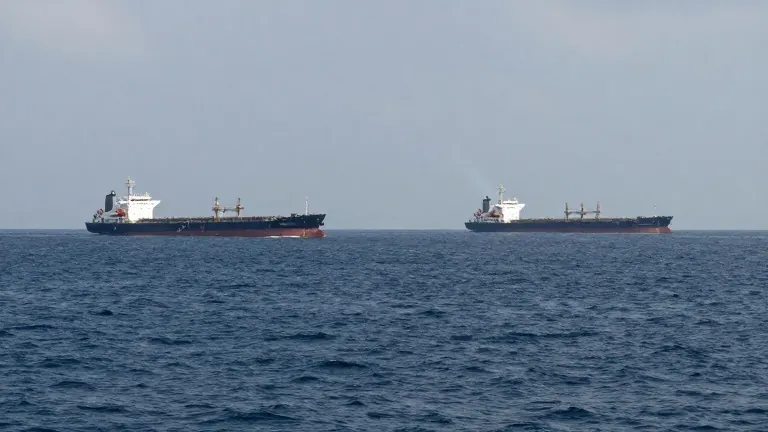
The war has imposed a heavy economic burden on Baghdad. Iraq has lost more than $60 billion in oil revenues since the conflict started. Approximately 90 percent of the country's oil exports normally travel through the Strait of Hormuz. Tehran closed that waterway, which cut off most of Iraq's exports. Oil currently accounts for roughly 90 percent of Iraq's federal budget.
Tehran has granted Iraq an exemption, allowing its vessels to pass through the Strait of Hormuz freely. This exception distinguishes Iraq from most other nations attempting to export oil through the strait during the ongoing blockade.