Fewer Than 9% of San Diego County Adults Registered for Local Emergency Alerts
With El Niño conditions expected to bring heavy rains this winter, county data reveals a low participation rate in the Alert San Diego system, leaving many residents without detailed safety information.
By Anthony Foster ·

Fewer than 9% of adults in San Diego County are signed up for the region's primary emergency notification system, according to data released by the county. Approximately 235,000 users are currently registered with Alert San Diego, a figure that includes duplicates where individuals have registered multiple phone numbers or addresses. The actual number of unique recipients is therefore lower than the total registration count.
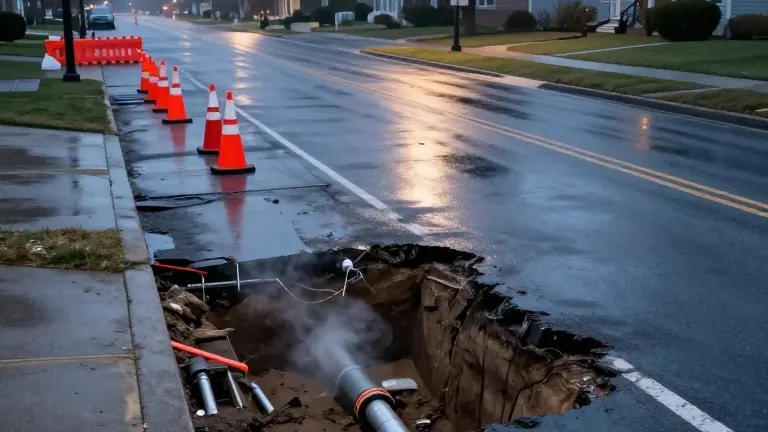
The low adoption rate stands out against the backdrop of an El Niño winter, which experts warn will increase the likelihood of heavy rains and flooding in the region. Mary Fox, an associate professor at the Johns Hopkins Bloomberg School of Public Health who studies risk assessments, described early warning systems as one of the most effective adaptations to climate change available. She stated that such systems are among the best tools for managing extreme weather events and emergencies.
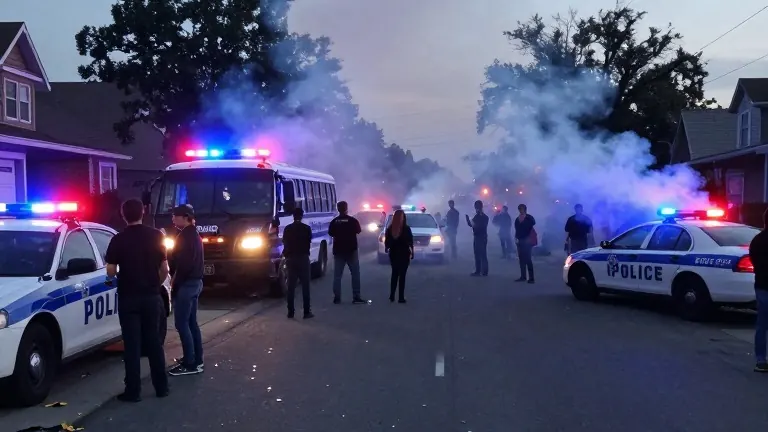
County officials have utilized the Alert San Diego platform to send warnings regarding wildfires, severe storms, extreme heat, high winds, flooding, and active shooters. The system consolidates safety information from various public agencies, including the National Weather Service and local law enforcement. Alerts typically include specific instructions on whether residents should evacuate or shelter in place, along with details on shelter locations and disaster aid. Chuck Westerheide, a county spokesperson, emphasized the importance of proactive communication. He noted that it is preferable to warn residents early rather than waiting for law enforcement to knock on their doors to tell them to leave.
Participation in the alert system varies by geography. Data shows higher registration rates in rural East County, where fire risk is prominent, and in some North County areas such as Rancho Santa Fe and Poway. However, participation falls below 10% in many parts of South County and North County, including Oceanside, Vista, and Escondido. Westerheide explained that organizing evacuations for flooding is more complex than for wildfires because flood locations are harder to predict before the water arrives. Wildfire spread can be better anticipated based on wind and topography.
Residents who have not registered for Alert San Diego will still receive wireless emergency alerts if public officials deem an event life-threatening. These alerts are delivered automatically to mobile devices via cell towers and cover national emergencies, imminent threats like active shooters, and severe weather events such as tsunamis and flash floods. However, these wireless alerts are limited to 360 characters and are reserved for specific situations that meet federal criteria.
The county encourages residents to register at alertsandiego.org to receive notifications via cell phone and email. Users can also download the Alert San Diego app for push notifications and access to a live emergency map. The website offers a Google Translate widget for non-English speakers, and users can sign up for video messages in American Sign Language.
Officials plan to continue monitoring the situation as the El Niño season progresses. The county will use both the local alert system and federal wireless emergency alerts for major events to ensure maximum reach. Registration remains open to all residents who wish to receive detailed safety information and guidance during emergencies.