Breaking: Transmission limits keep D.C., Maryland and Virginia as grid weak spots for winter
Federal emergency powers ended in October, but PJM warns that tight transmission lines in the capital region remain the primary risk for reliable power supply as cold weather approaches.
By Harper Collins ·
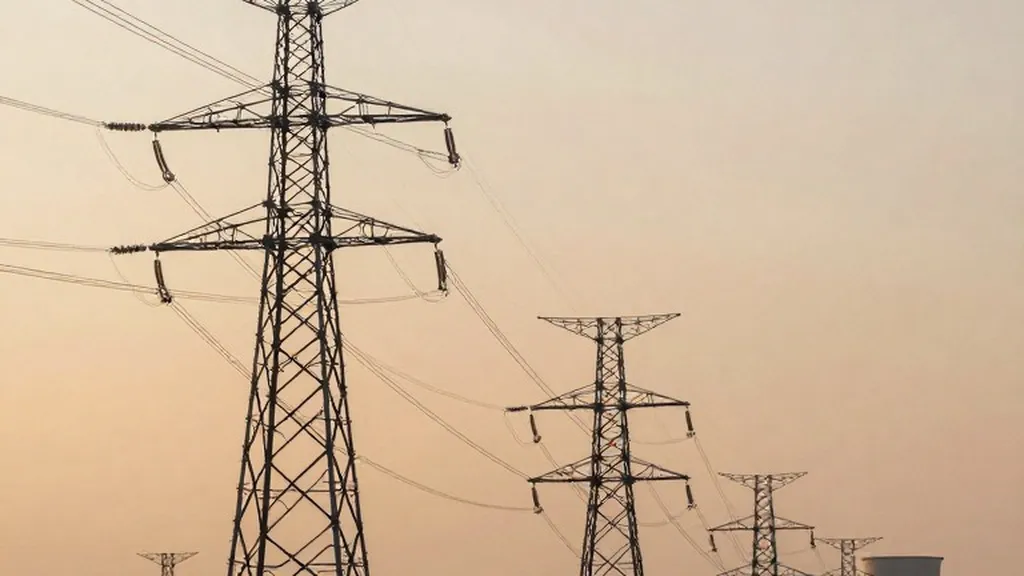
The federal power grid emergency that granted PJM Interconnection temporary authority to manage the regional system has concluded, but the underlying infrastructure challenges persist. The U.S. Department of Energy declared the emergency on Sunday, October 12, 2026, and it remained in effect from October 13 through October 16. Energy Secretary Chris Wright issued the order under section 202(c) of the Federal Power Act, allowing PJM to direct generators to operate beyond their normal permits and to call on large users like data centers to switch to backup power if necessary. While the formal emergency period ended in mid-October, the conditions that triggered it, particularly the strain on transmission lines around the capital, define the current outlook for the coming winter months.
For residents and businesses in the PJM footprint, the order was a preventive measure rather than a declaration of imminent blackouts. No mandatory conservation orders were issued, and daily electricity use for households remained normal. The alerts served as a signal to grid operators to prepare for tight conditions, but they did not require any specific action from customers. This distinction is important for local readers, as the emergency response was focused on wholesale coordination between generators and large industrial users rather than direct load shedding from homes and small businesses.
The core issue during the October emergency was the bottleneck in electricity transmission around Washington, D.C., Maryland, and Virginia. While the rest of the grid had sufficient generation, scheduled maintenance on transmission lines limited how much power could move between different zones. This caused generation to be effectively trapped in certain areas, particularly within the BGE, Pepco, and Dominion zones. These congested zones serve the capital region and remained the most vulnerable part of the system because they could not easily import power from neighboring areas to meet local demand spikes.
This situation arose because unusually warm October weather collided with the fall shoulder season. During this period, generator and transmission owners typically take equipment offline for maintenance and upgrades ahead of winter. Most scheduled outages are prohibited in summer, so they cluster in the months before and after the peak heat. PJM’s load forecast showed demand of about 102,000 megawatts on Monday, October 12, and about 104,000 megawatts on Tuesday, October 13, against roughly 70,000 megawatts of scheduled generation outages plus planned transmission outages. Paul Dajewski, PJM’s senior manager for dispatch, noted that this volume of outages is typical for the shoulder season, but the timing created a mismatch between available power and available pathways to deliver it.
To manage this strain, PJM issued a Maximum Generation Alert on Monday, October 12, for the following day. This alert tells transmission and generation owners that conditions will be tight, prompting them to defer or cancel non-critical equipment maintenance and testing. It also signals to neighboring grid operators that exports from PJM may be reduced. Additionally, PJM called on Demand Response programs, which pay customers who have signed up in advance to cut their electricity use when the grid is stressed. These mechanisms allowed PJM to balance supply and demand without forcing average consumers to change their habits.
The Department of Energy’s emergency authority was critical in this context because it allowed PJM to deploy auxiliary, standby, or battery storage resources at data centers and other large industrial sites. The federal order specifically authorized the use of these backup reserves in limited circumstances. This was a continuation of a trend seen in late September, when PJM used similar emergency orders during two unseasonably warm periods. In those instances, PJM had to cover net load as solar output fell faster than electricity use, highlighting the increasing complexity of managing a grid with high renewable penetration and rising baseline demand.
Looking ahead, PJM’s Winter Outlook released on November 5, 2026, indicates that the shoulder-season reprieve is no longer as reliable as it used to be. The primary driver of this change is the rapid growth of data centers and other energy-intensive customers. Unlike residential or commercial demand, which fluctuates with the weather, data center consumption is a constant, 24/7 phenomenon that does not drop when it is cool or cloudy. This expanding demand is outpacing the addition of new transmission lines and electricity supply, making the grid more sensitive to any disruptions in the transmission network.
For the upcoming winter, PJM expects sufficient resources to meet demand under expected conditions, but reserve margins continue to tighten. The utility forecasts 182,426 megawatts of operational capacity to serve a winter peak of approximately 147,500 megawatts, plus about 3,200 megawatts of average exports to neighboring systems. If reached, this peak would set a new winter record driven by demand growth. The reliability of winter operations now depends heavily on strong generator performance during extreme cold, especially in the BGE, Pepco, and Dominion zones where transmission constraints still limit deliveries.
Michael Bryson, PJM’s senior vice president of operations, stated that the goal is to coordinate operations with generation and transmission owners to proactively manage the system for high performance when consumers need energy the most. The focus remains on ensuring that the bottlenecks around the capital do not escalate into supply shortages during the coldest months. By understanding that the transmission limits in Maryland, Virginia, and the District of Columbia remain the weak spot, local readers can better grasp why grid operators are preparing for a winter that requires precise management of every available megawatt.